Random map · AoE3: DE 100.19.18309
Andes
Andes is a random map in AoE3: Definitive Edition 100.19.18309, in the American Maps, Standard Maps, Land Maps and All Maps. Its script can place Mapuche, Quechua and Zapotec settlements.
This section as JSON: /raw/maps.json
Quick answers (2)
- Which natives are on Andes in AoE3?
- Mapuche, Quechua and Zapotec.
- Is Andes a competitive map?
- It is not in the game's Competitive map set; it is in the American Maps, Standard Maps, Land Maps and All Maps (AoE3: Definitive Edition 100.19.18309).

Andes: fight for control over trade and native allies at the feet of the mighty Andes mountains.
Settlements: Quechua, Mapuche, Zapotec
Outlaws: Pistolero, Renegado
Andes is a mountainous region with the warring factions starting dangerously close. A Trade Route with three Trading Post sites separates the teams. Four native settlements are on the northern part of the map. Allying with all the Natives is potentially powerful.
Native settlements


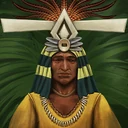
The settlements its script can place (a match uses some of them).
In the game's map sets
Has a large version for more players (andesLarge).
History
The longest mountain chain on the planet, the Andes range stretches from Venezuela to Argentina - over 4000 miles long. A relatively new mountain range, the Andes first formed during the Cretaceous period about 140 million years ago. The Andes encompass nearly the entire West coast of South America. As such, the mountain range manifests a broad range of climates and geography. Near the equator, the mountains have a warm and humid climate, with tropical rainforests practically lying in their shadow. To the south towards Antarctica, the Andes range is colder and more glacial. Probably the most well-known of the indigenous peoples to inhabit the Andes were the Inca, whose empire was based in the area of modern-day Peru from the early 1300s to 1533. At the height of their expansion, the Inca ruled over much of western South America. The conquistador Francisco Pizarro established Spanish rule in 1533, when he oversaw the death of the last Inca emperor.