

Native American civilization · Home City Great Council
Lakota
The Lakota (civ ID XPSioux, Home City Great Council) in AoE3: Definitive Edition 100.19.18309 start with 1 Chests of Coin, 4 Crates of Food, 1 Cords of Wood, 5 Villager and 1 War Chief, train 12 kinds of units from their own buildings and have 145 Home City cards. Their age-up choices number 5 / 5 / 5 / 5 for the Colonial, Fortress, Industrial and Imperial ages.
This section as JSON: /raw/civilizations.json
Quick answers (4)
- What are the Lakota bonuses in AoE3?
- Civilization bonus: Begins with 200 population and Huntable Animals last longer, but cannot build Walls until the Industrial Age. Unique units: Axe Rider, Bow Rider, Cetan Bowman, Rifle Rider, Tokala Soldier, Tashunke Prowler, Wakina Rifle and Club Warrior. Unique buildings: Teepee provides small hitpoint bonus to nearby units. Unique ceremonies: Call the People Ceremony and Tokala Ceremony The Lakota occupied large territories in North America, and also absorbed the “Great Plains” culture of their neighbors by becoming skilled buffalo hunters.
- What do the Lakota start with?
- 1 Chests of Coin, 4 Crates of Food, 1 Cords of Wood, 5 Villager and 1 War Chief.
- Which Lakota age-up gives the most?
- to the Colonial Age: The Wise Woman (≈ 3,000 resources); to the Fortress Age: The Wise Woman (≈ 6,000 resources); to the Industrial Age: The Wise Woman (≈ 10,000 resources); to the Imperial Age: The Wise Woman (≈ 15,000 resources).
- How many Home City cards do the Lakota have?
- 145, plus 0 more in revolution decks.
Bonuses
Civilization bonus: Begins with 200 population and Huntable Animals last longer, but cannot build Walls until the Industrial Age. Unique units: Axe Rider, Bow Rider, Cetan Bowman, Rifle Rider, Tokala Soldier, Tashunke Prowler, Wakina Rifle and Club Warrior. Unique buildings: Teepee provides small hitpoint bonus to nearby units. Unique ceremonies: Call the People Ceremony and Tokala Ceremony The Lakota occupied large territories in North America, and also absorbed the “Great Plains” culture of their neighbors by becoming skilled buffalo hunters.
The game's own civilization summary (civ picker rollover).
Starting units
- 1×
 Chests of Coin
 - 4×
 Crates of Food
 - 1×
 Cords of Wood
 - 5×
 Villager
 - 1×
 War Chief
Units few others have
Units Lakota train from their own buildings that no more than one other civilization has.
Age-up choices
What each choice costs and hands over, valued at the units' train cost. Compare every civilization's age-ups.
To the Colonial Age
 The Wise Woman
 800gives ≈ 3,000
- The Elder800gives ≈ 500
- The Chief800gives ≈ 400
- The Warrior800gives ≈ 300
- The Messenger800
To the Fortress Age
 The Wise Woman1,200
 1,000gives ≈ 6,000
- The Elder1,2001,000gives ≈ 1,000
- The Chief1,2001,000gives ≈ 800
- The Warrior1,2001,000gives ≈ 600
- The Messenger1,2001,000
To the Industrial Age
 The Wise Woman2,0001,200gives ≈ 10,000
- The Elder2,0001,200gives ≈ 1,500
- The Chief2,0001,200gives ≈ 1,200
- The Warrior2,0001,200gives ≈ 900
- The Messenger2,0001,200
To the Imperial Age
 The Wise Woman4,0004,000gives ≈ 15,000
- The Elder4,0004,000gives ≈ 2,500
- The Chief4,0004,000gives ≈ 2,000
- The Warrior4,0004,000gives ≈ 1,500
- The Messenger4,0004,000
History
The Lakota Nation is made up of three geographically different divisions of peoples who speak varying dialects of the Siouan language: the Lakota, Dakota, and Nakota. In the language of Lakota, the names Lakota, Dakota, and Nakota mean “friends.” The Lakota lived on the Great Plains of the western United States and survived primarily by hunting. Their favorite game was the American bison, or buffalo, which provided food, clothing, and shelter. They were excellent horsemen, famed for their ability to fire bows and guns accurately while riding at full gallop. Experts at horse breeding, they owned horses both fast and clever. These animals were considered extremely valuable, and some warriors owned hundreds of them. They were used not only for war, but also as a medium of exchange. One of history’s most renowned Lakota warriors was Sitting Bull, known also as Tatanka Yotanka (1831-1890). Born in the territory now known as South Dakota, he was revered as a Lakota principal chief, healer, and prophet. Sitting Bull led Native resistance against U.S. government attempts to take over tribal lands, which included his involvement in the Battle of the Little Bighorn (or the Battle of the Greasy Grass as the victorious Lakota named it). After spending several years in Canada with his followers, Sitting Bull returned to the U.S. under a government amnesty program. Sitting Bull's leading war chiefs were Crazy Horse and Gall.
From the game's History encyclopedia.
Units
Villager
 Fishing Boat
 70Villager100
Infantry
Cavalry
Other
 Surgeon225
Also available: 26 mercenaries, natives, pets and shipment-only units
 Covered Wagon
 Farm Travois
 Cheyenne Rider
 Comanche Horse Archer
 Cree Tracker
 Native Scout
 Privateer
 Pistolero
 Comanchero
 RenegadoTrading Post Travois
 Uhlan
Uhlan War Hut Travois
 Captured Mortar
 Aiz the Tame Elephant
 Nili the Playful Hippo
 Pambuu the Tame Warthog
 Estate WagonTravois
 Tokala SoldierWar Chief
 Healer
 Warrior
 Market Rickshaw
 War Elephant
 Old Doug the Orangutan
Buildings
 Gate50
 Community Plaza100
 Corral200
 Dock200
 Farm400
 Field Hospital200
 Market100
 Native Embassy100
 Estate600
 Teepee50
 Town Center500
 Trading Post200
 Wall10Wall10Wall10War Hut250
 Tribal Marketplace—
 Coal Mine—
 Copper Mine—Gold Mine—
 Silver Mine—Diamond Mine—
 Torp140
 Watch Tower—
Home City cards (145)
Every card of the Great Council Home City, by the first age it can be sent in. "×N" = can be sent N times; ∞ = no limit.
I Discovery Age (37)
1 Farm Travois×1 2 Villagers∞
 3 Fishing Boats×1
 3 Villagers×14 Native Scouts×1
 9 Bison×1
 Advanced Dock×1
 Advanced Estate×1
 Advanced Farm×1
 Advanced Market×1
 Advanced Trading Post×1
 Chests of 300 Coin∞
 Cords of 300 Wood∞
 Crates of 300 Food∞
 Exotic Hardwoods×1
 Fish Market×1
 Food Silos×1
 Friendly Territory×1
 Fur Trade×1
 Furrier×1
 Land Grab×1
 Lynx Pelt Trade×1
 Medicine Wheels×1
 Morning Star×1
 Native Lore×1
 Ogle Tanka Un×1
 Pioneers×1
 Ranching×1
 Sawmills×1
 TEAM 2 Native Scouts×1
 TEAM Buffalo Hunt×1
 TEAM Great Lakes×1
 TEAM Rum Distillery×1
 TEAM Spice Trade×1
 Town Ceremony×1
 Winter Counts×1
 Woodcrafting×1
II Colonial Age (37)
13 Bison×12 Farm Travois×1 2 TEAM Healers×1
 2 War Canoes×1
 3 Axe Riders×13 Trading Post Travois×14 Axe Riders×1
 4 Canoes×1
 4 Healers×1
 5 Club Warriors×16 Club Warriors×1
 7 Cetan Bowmen×1
 7 Cheyenne Allies×1
 8 Comanche Allies×19 Cree Allies×1
 Advanced Scouts×1
 Aggressive Policy×1
 Astute Trading×1
 Camp Movements×1
 Cavalry Damage×1
 Chests of 600 Coin×1Chests of 700 Coin×1
 Cords of 600 Wood×1Cords of 700 Wood×1
 Crates of 600 Food×1Crates of 700 Food×1
 Extensive Fortifications×1
 Great Hunter×1
 Hire Cowboys×1
 Hire Gunslingers×1
 Leman Trade Muskets×1
 Medicine×1
 Native Treaties×1
 New Ways×1
 Onikare×1
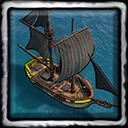 Recruit Buccaneers×1
 TEAM Native Weapon Trade×1
III Fortress Age (36)
1 Covered Wagon×110 Cetan Bowmen×110 Club Warriors×14 Axe Riders×1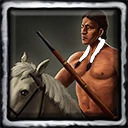 4 Rifle Riders×14 War Canoes×15 Axe Riders×15 Rifle Riders×18 Villagers×1
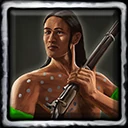 9 Wakina Rifles×1
 Adoption×1
 Birchbark×1
 Black Arrow×1Burnt Thigh Support×1
 Cavalry Combat×1Cords of 1,000 Wood×1
 Counting Coup×1Crates of 1,000 Food×1
 Earth Bounty×1
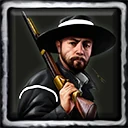 Hire Owlhoots×1Lakota Support×1Lakota Support×1
 Marauders×1
 Nakota Support×1
 Native Warriors×1
 Nomadic Expansion×1
 North America Trade×1Oglala Support×1Recruit Buccaneer Fleet×1Sans Arc Support×1Santee Support×1
 TEAM Crates of 600 Food×1
 TEAM Mustangs×1
 Territorial Claims×1Two Kettle Support×1Yankton Support×1
IV Industrial Age (35)
 11 Bison∞
 13 Comanche Allies∞
 13 Cree Allies∞16 Wakina Rifles×118 Cheyenne Allies×118 Comanche Allies×118 Wakina Rifles×122 Cree Allies×14 Advanced War Canoes×1
 6 Axe Riders∞6 Rifle Riders×1
 6 Tashunke Prowlers×17 Rifle Riders×17 Tashunke Prowlers×18 Axe Riders×18 Tashunke Prowlers×1
 Advanced Captured Mortars×1
 Akichita×1
 Bandit Gang∞
 Blood Brothers×1
 Blotáhunka×1Crates of 1,600 Food×1Dakota Support×1
 Heavy Fortifications×1
 Heyoka×1
 Improved Buildings×1
 Kinship Ties×1
 Old Ways×1
 Outlaw Band×1
 Seven Council Fires×1
 TEAM 10 Cree Allies×1
 TEAM Conestoga Wagons×1TEAM Crates of 1000 Food×1
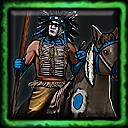 TEAM Dog Soldiers×1
 Warrior Culture×1