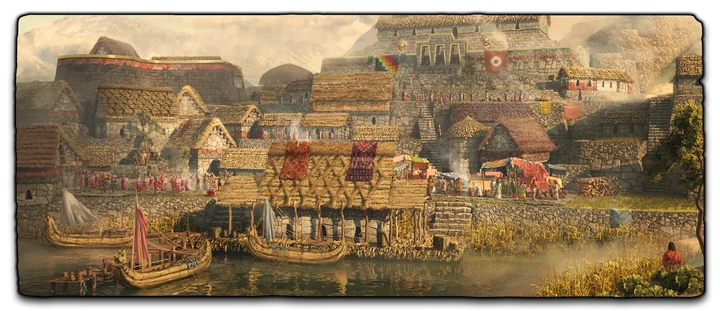

Native American civilization · Home City Cuzco
Inca
The Inca (civ ID DEInca, Home City Cuzco) in AoE3: Definitive Edition 100.19.18309 start with 3 Crates of Food, 4 Cords of Wood, 1 Llama, 5 Villager and 1 War Chief, train 11 kinds of units from their own buildings and have 142 Home City cards. Their age-up choices number 5 / 5 / 5 / 5 for the Colonial, Fortress, Industrial and Imperial ages.
This section as JSON: /raw/civilizations.json
Quick answers (4)
- What are the Inca bonuses in AoE3?
- Civilization bonus: Kancha Houses produce food. Receives a free Chasqui with Exploration Age shipments and with each Age-up. Chasqui's can construct Tambos (powerful Trading Posts that can receive shipments and civilians can garrison in). Military units can garrison in Kallankas and Strongholds. Priestesses can convert enemies and work at the Community Plaza. Unique units: Chasqui, Plumed Spearman, Chimu Runner, Jungle Bowman, Bolas Warrior, Huaraca, Maceman, Priestess and Chincha Raft. Unique buildings: Kallanka, Stronghold, Kancha House and Tambo Unique ceremonies: Moon Ceremony and Supay Ceremony A vast South American empire known for the power of its walls and smart administration.
- What do the Inca start with?
- 3 Crates of Food, 4 Cords of Wood, 1 Llama, 5 Villager and 1 War Chief.
- Which Inca age-up gives the most?
- to the Colonial Age: The Wise Woman (≈ 600 resources); to the Fortress Age: The Warrior (≈ 840 resources); to the Industrial Age: The Wise Woman (≈ 1,000 resources); to the Imperial Age: The Wise Woman (≈ 2,000 resources).
- How many Home City cards do the Inca have?
- 142, plus 0 more in revolution decks.
Inca army builds, age-ups and cards to sendInca deck builder
Bonuses
Civilization bonus: Kancha Houses produce food. Receives a free Chasqui with Exploration Age shipments and with each Age-up. Chasqui's can construct Tambos (powerful Trading Posts that can receive shipments and civilians can garrison in). Military units can garrison in Kallankas and Strongholds. Priestesses can convert enemies and work at the Community Plaza. Unique units: Chasqui, Plumed Spearman, Chimu Runner, Jungle Bowman, Bolas Warrior, Huaraca, Maceman, Priestess and Chincha Raft. Unique buildings: Kallanka, Stronghold, Kancha House and Tambo Unique ceremonies: Moon Ceremony and Supay Ceremony A vast South American empire known for the power of its walls and smart administration.
The game's own civilization summary (civ picker rollover).
Starting units
- 3×
 Crates of Food
 - 4×
 Cords of Wood
 - 1×
 Llama
Llama - 5×
 Villager
 - 1×
 War Chief
Units few others have
Units Inca train from their own buildings that no more than one other civilization has.
Age-up choices
What each choice costs and hands over, valued at the units' train cost. Compare every civilization's age-ups.
To the Colonial Age
 The Wise Woman
 800gives ≈ 600
- The Warrior800gives ≈ 345
- The Chief800
- The Elder800
- The Messenger800
To the Fortress Age
 The Warrior1,200
 1,000gives ≈ 840
- The Chief1,2001,000
- The Elder1,2001,000
- The Wise Woman1,2001,000
- The Messenger1,2001,000
To the Industrial Age
 The Wise Woman2,0001,200gives ≈ 1,000
- The Warrior2,0001,200gives ≈ 960
- The Chief2,0001,200
- The Elder2,0001,200
- The Messenger2,0001,200
To the Imperial Age
 The Wise Woman4,0004,000gives ≈ 2,000
- The Warrior4,0004,000gives ≈ 1,600
- The Chief4,0004,000
- The Elder4,0004,000
- The Messenger4,0004,000
History
The Inca were a pre-Colombian Andean civilization that, according to legend, emerged from a series of caves sometime in the 12th century. Living a pastoral lifestyle in modern-day Peru for some time, they eventually migrated to the Urubamba valley during the 13th century. Under their leader, the semi-legendary Manco Capac, the Inca seized control of the city of Cuzco and founded their kingdom there. In 1438, the ambitious ruler Cusi Yupanqui (1418-1472), known also as Pachacuti “The Earth Shaker” undertook a series of massive expansionist campaigns, dealing first with local enemies such as the fierce Chanca, then defeating the rival forces of his treacherous brother Urqu, and finally triumphing over the advanced and warlike Chimu civilization, which would go on to supply the Inca with some of their most feared warriors. Matching his military prowess with impressive administrative feats and reforms, Pachacuti organized his domain into Tawantinsuyu “The Four Regions”, more commonly termed the Inca Empire, and became its first Sapa Inca, or emperor. Pachacuti’s successor, Topa Inca Yupanqui (1441-1493), having accumulated considerable battle experience fighting under his father--traditionally, it was actually the son of the Sapa Inca who led the Inca forces in combat--continued Pachacuti’s expansionist policies. By the end of his reign, the Inca Empire had more than doubled in size. His son, Huayna Capac (1468-1524) was a skilled warrior as well as an administrator: vast territorial gains were accompanied by improvements to infrastructure, from fortresses and observatories to agricultural reforms and the expansion of the road network traversing the Inca Empire. At their height, the Inca were among the most advanced civilizations of their time. A vast road network connected all constituent regions, enabling efficient and swift travel. During the late 15th century, the Inca constructed over 10,000 tambos--administrative buildings that were staffed by locals conscripted through the mit’a corvee system--along these roadways. Agricultural productivity was bolstered by a vibrant and bustling trade network, and the bureaucracy managed these vast systems with the help of an ingenious calendar and the use of quipu, knotted strings that functioned as a writing system of sorts, for record-keeping. The standing army of the Inca was formed primarily by nobles, but the Sapa Inca could raise an army of able-bodied men from the general populace at will. Military discipline was strictly enforced when the troops were on the march and the army, although variously specialized, was extremely well trained. Inca warriors wore cloth armor that breathed well, allowed for free movement, and dissipated the force of blows. Drawing on the resources of a vast empire, the Inca recruited warriors from numerous subordinate tribes with their own military traditions, resulting in an extremely diverse and versatile military force. Battles tended to open with a hail of projectile weaponry before the forces closed in brutal melee combat. Spirituality also played a considerable role within the Inca Empire. Inca religion combined a complex set of ceremonial rites, animism, and, above all, worship of the sun-god Inti, who was considered the father of the Sapa Inca. The priestly class that presided over this system commanded immense social and political influence as curators of the people’s spiritual welfare and relationship with the divine. A major focus of this system was the impressive temple complex at Saqsahuaman, near Cuzco. Prosperity was not to last, however. An epidemic, probably smallpox spread by Spanish explorers, decimated the Inca population in the early 16th century. Simultaneously, the Inca Empire was rent by a bloody civil war between the brothers Atahuallpa and Huascar. Just as the war ended, Spanish conquistadors under Francisco Pizarro pounced on the weakened Inca in 1532, killing the Sapa Inca and swiftly subjugating the region. Manco Inca Yupanqui (1515-1544) led the surviving Inca in a desperate and initially successful war of resistance, but was slain by Spanish conquistadors after a decade in power. In 1572, the last Inca stronghold at Vilcabamba was seized and its ruler, Topa Amaru, executed. The Inca Empire, a marvel for the ages, had been extinguished.
From the game's History encyclopedia.
Units
Villager
 Fishing Boat
 70Villager100
Infantry

Ship
 Canoe100
 Chincha Raft150200
Other
 Chasqui5050
 Chimu Runner7540
Also available: 38 mercenaries, natives, pets and shipment-only units
 Covered Wagon
 Farm Travois
 Veteran Lancer
 Carib Blowgunner
 Zapotec Lightning Warrior
 Tupi Blackwood ArcherZapotec Lightning Warrior
 Privateer
 Rodelero
 Pistolero
 Comanchero
 Renegado
 SurgeonTrading Post Travois
 Uhlan
Uhlan War Hut Travois
 Builder Travois
 Native Embassy Travois
 Peruvian DogStronghold TravoisWar ChiefKallanka Travois
 Captured Mortar
 Mapuche Bolas RiderMapuche Bolas Rider
 Holcan Javelineer
 Mapuche Ironwood Clubman
 Aiz the Tame Elephant
 Nili the Playful Hippo
 Pambuu the Tame Warthog
 PriestessTravois
 Light Cannon
 Warrior
 Market Rickshaw
 Conquistador
 War Elephant
 Old Doug the Orangutan
Buildings
 Gate50
 Community Plaza100
 Dock200
 Farm400
 Market100Native Embassy100
 Estate600
 Shrine250
 Town Center500
 Trading Post200
 Wall10Wall10Wall10War Hut250
 Kancha House170
 Stronghold350350
 Kallanka100200
 Coal Mine—
 Copper Mine—Gold Mine—
 Silver Mine—Diamond Mine—
 Torp140
 Watch Tower—
Home City cards (142)
Every card of the Cuzco Home City, by the first age it can be sent in. "×N" = can be sent N times; ∞ = no limit.
I Discovery Age (31)
1 Farm Travois×1 1 Priestess∞
 2 Fattened Llamas∞
 2 Villagers∞
 3 Villagers×15 Peruvian Dogs×1
 Advanced Dock×1
 Advanced Farm×1
 Advanced Market×1
 Advanced Tambos×1
 Alpaca Wool×1
 American Allies×1
 Camayos∞
 Ceque System×1
 Chests of 300 Coin∞
 Chimu Metallurgy×1
 Cords of 300 Wood∞
 Crates of 300 Food∞
 Exotic Hardwoods×1
 Fish Market×1
 Floating Islands×1
 Food Silos×1
 Furrier×1
 Llama Lifestyle×1
 Native Lore×1
 Quipu Kamayuks×1
 Sapa Inca×1
 Stonemasons×1
 TEAM 3 Peruvian Dogs×1
 TEAM Inca Walls×1
 Water Ceremony×1
II Colonial Age (39)
 11 Renegade Spanish×2
 2 Builder Travois×12 Chincha Rafts×12 Farm Travois×12 War Hut Travois×1
 3 Tambo Travois×14 Fattened Llamas×1
 5 Plumed Spearmen×15 Villagers×1
 6 Chimu Runners×1
 6 Jungle Bowmen×1
 6 Mapuche Allies∞
 9 Zapotec Allies×1
 Admiralty×1
 Armed Fishermen×1
 Aymara Support×1Cañari Support×1
 Chests of 700 Coin×1
 Chicha Brewing×1
 Chinchillas×1Cords of 600 Wood∞
 Crates of 700 Food×1
 Curare×1
 Extensive Fortifications×1Huanka Support×1
 Improved Warships×1
 Medicine×1
 Native Alliance×1
 Native Treaties×1
 Native Warrior Combat×1
 Ranged Infantry Attack×1
 Ranged Infantry Hitpoints×1
 Recruit Buccaneers×1
 Salt Ponds×1
 TEAM Aqllakuna×1
 TEAM Festive Llamas×1
 TEAM Inca Bridges×1
 TEAM Medicine×1
 Wamani×1
III Fortress Age (35)
 10 Jesuit Allies×2
 14 Tupi Allies×22 Town Center Travois×1
 3 Builder Travois∞3 Chincha Rafts×1
 3 Macemen∞
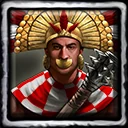 5 Macemen×1
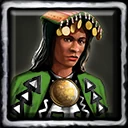 5 Priestesses×16 Fattened Llamas×1
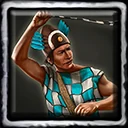 6 Huaracas×1
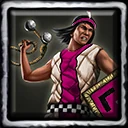 7 Bolas Warriors×17 Huaracas×18 Bolas Warriors×18 Plumed Spearmen×1
 8 Renegade Spanish×18 Villagers×19 Chimu Runners×19 Jungle Bowmen×1
 Agrarian Ways×1
 Autarky×1Cajamarca Support×1Chimu Support×1Chincha Support×1
 Cloud Fortresses×1
 Cloud Warriors×1
 Cords of 1,000 Wood×1
 Couriers×1
 Imperial Unity×1Machu Picchu×1
 Melee Infantry Combat×1
 Monumental Architecture×1Resettlements×1
 Road Building×1
 TEAM Seasonal Labor×1
 Temple of Mama Killa×1
IV Industrial Age (37)
 10 Huaracas∞
 10 Jesuit Allies∞
 10 Mapuche Allies∞12 Renegade Spanish×112 Villagers×1
 13 Chimu Runners∞13 Huaracas×1
 13 Jungle Bowmen∞15 Plumed Spearmen×1
 15 Tupi Allies∞16 Bolas Warriors×116 Chimu Runners×116 Jungle Bowmen×1
 17 Mayan Allies∞24 Renegade Spanish×2
 3 Chincha Rafts∞5 Builder Travois×15 Chincha Rafts×16 Priestesses∞8 Macemen×1
 Blood Brothers×1
 Census×1Chachapoya Support×1Chanca Support×1
 Chiribaya Dogs×1Colla Support×1Cords of 1,200 Wood∞Cords of 1,600 Wood×1
 Heavy Fortifications×1
 High Ground×1
 Kinship Ties×1
 Offshore Support×1
 Old Ways×1
 Son of Inti×1
 TEAM Improved Buildings×1
 Terrace Farming×1
 Tupac Rebellion×1