

European civilization · Home City St. Petersburg
Russians
The Russians (civ ID Russians, Home City St. Petersburg) in AoE3: Definitive Edition 100.19.18309 start with 5 Crates of Food, 2 Cords of Wood, 1 Explorer and 5 Settler, train 21 kinds of units from their own buildings and have 175 Home City cards. Their age-up choices number 5 / 5 / 5 / 5 for the Colonial, Fortress, Industrial and Imperial ages.
This section as JSON: /raw/civilizations.json
Quick answers (4)
- What are the Russians bonuses in AoE3?
- Civilization bonus: Settlers and Infantry train faster in groups at the expense of combat strength. Has a population limit of 210. Royal guard units: Cavalry Archer (Dvoryane) and Grenadier (Pavlov Grenadiers) Unique units: Strelet, Rekrut, Poruchik, Cossack and Oprichnik Unique buildings: Blockhouses are a combination of Barracks and Outposts. Known for its military accomplishments and rapid expansions, was a strong military oriented nation. Russia expanded from what is now Alaska down to northern California, but Spanish settlement in those locations forced the ill-supplied settlers back to Alaska.
- What do the Russians start with?
- 5 Crates of Food, 2 Cords of Wood, 1 Explorer and 5 Settler.
- Which Russians age-up gives the most?
- to the Colonial Age: The Naturalist (≈ 500 resources); to the Fortress Age: The Adventurer (≈ 1,020 resources); to the Industrial Age: The King's Musketeer (≈ 1,300 resources); to the Imperial Age: El Presidente (≈ 2,000 resources).
- How many Home City cards do the Russians have?
- 175, plus 45 more in revolution decks.
Bonuses
Civilization bonus: Settlers and Infantry train faster in groups at the expense of combat strength. Has a population limit of 210. Royal guard units: Cavalry Archer (Dvoryane) and Grenadier (Pavlov Grenadiers) Unique units: Strelet, Rekrut, Poruchik, Cossack and Oprichnik Unique buildings: Blockhouses are a combination of Barracks and Outposts. Known for its military accomplishments and rapid expansions, was a strong military oriented nation. Russia expanded from what is now Alaska down to northern California, but Spanish settlement in those locations forced the ill-supplied settlers back to Alaska.
The game's own civilization summary (civ picker rollover).
Starting units
- 5×
 Crates of Food
 - 2×
 Cords of Wood
 - 1×
 Explorer
 - 5×
 Settler
Units few others have
Units Russians train from their own buildings that no more than one other civilization has.
Age-up choices
What each choice costs and hands over, valued at the units' train cost. Compare every civilization's age-ups.
To the Colonial Age
 The Naturalist
 800gives ≈ 500
- The Philosopher Prince800gives ≈ 500
- The Quartermaster800gives ≈ 400
- The Inventor800
- The Logistician900
To the Fortress Age
 The Adventurer1,200
 1,000gives ≈ 1,020
- The Gentleman Pirate1,2001,000gives ≈ 800
- The Scout1,2001,000gives ≈ 750
- The Bishop1,2001,000
- The Exiled Prince1,2001,000
To the Industrial Age
 The King's Musketeer2,0001,200gives ≈ 1,300
- The Cavalry Marshal2,0001,200gives ≈ 1,050
- The War Minister2,0001,200gives ≈ 1,050
- The Engineer2,0001,200gives ≈ 1,000
- The Logistician2,0001,200
To the Imperial Age
 El Presidente4,0004,000gives ≈ 2,000
- The Royalist4,0004,000gives ≈ 1,980
- The General4,0004,000gives ≈ 1,600
- The Knight4,0004,000
- The Mercenary Contractor4,0004,000
History
The largest nation in Europe by area and population, Russia in 1500 was relatively backward and far from the Renaissance that was blossoming to its west. It was striving to expand and having success mainly to the east, toward Siberia. Under Peter the Great, a particularly able Romanov Tsar, they began an effort to import western technology and knowledge, but progress was very slow. They fought both the Swedes to the north and the Ottomans to the south with some success. They were able to field large armies from the great mass of serfs (near-slaves bound for life to the estates of aristocracy). They fought stubbornly and rigidly, but that could be effective, especially in defense of their homeland. When Russia reached the eastern edge of Siberia, explorers were sent into the Pacific seeking the west coast of North America. Vitus Bering, a Dane with a long career in the Russian Navy, found the Bering Strait, the Bering Sea and southern Alaska in the middle 1700s. By the late 1700s they had established a small outpost in Alaskan waters and were hunting fur animals, especially the sea otter. Their small settlements and outposts eventually stretched down the American Pacific coast to northern California, but they were never very successful. In 1867 they sold Alaska to the United States. By 1800 they had perhaps the largest army in Europe and had entered the Napoleonic Wars, switching sides as it suited them. Napoleon invaded Russia in 1812 with a huge army, but the campaign was a disaster. The Russians retreated into their limitless land and even abandoned Moscow, while letting the Russian winter do its worst. The Russians followed the retreating French and helped bring about Napoleon's first abdication and exile in 1814.
From the game's History encyclopedia.
Units
Villager
 Fishing Boat
 70Settler100
Cavalry
Artillery



Also available: 78 mercenaries, natives, pets and shipment-only units
 Heavy Cannon
 Covered Wagon
 Mill Wagon
 DragoonExplorer
 Explorer's Dog
 Factory Wagon
 Fort Wagon
 Galley
 Great Bombard
 Hussar
 Black Rider
 Li'l Bombard
 Highlander
 Jaeger
 Landsknecht
 Mameluke
 Manchu
 Ronin
Ronin Swiss Pikeman
 Nootka Clubman
 Outpost Wagon
 Privateer
 Skirmisher
 Uhlan
Uhlan Artillery Foundry WagonAthos Monastery Wagon
 Carolean
 Counter Jaeger
 Native Embassy Travois
 Hakkapelit
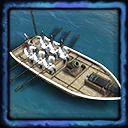 GunboatHomestead Wagon
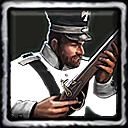 Landwehr
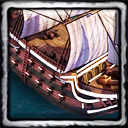 Battleship
 Giant Grenadier
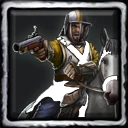 Harquebusier
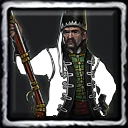 Pandour
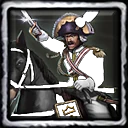 Royal Horseman
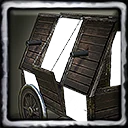 Fortified WagonMilitary Wagon
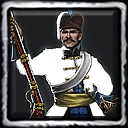 Schiavone
 Hungarian Grenadier
 Boyar
Boyar Evzone
 Sámi Noaidi
 Northern Musketeer
 Royal Arquebusier
 Royal HunterRoyal Huntsman
 Tatar Archer
 Whaling Ship
 Aiz the Tame Elephant
 Nili the Playful Hippo
 Sanura the Tame Leopard
 Pambuu the Tame WarthogEstate WagonProspector Wagon
 Crabat
 HajdukTorp Wagon
 Advanced Hot Air Balloon
 Revolutionary
 Gatling Gun
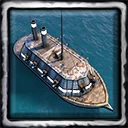 IroncladBlockhouse Wagon
 Russian Expeditionary Company
 Russian Expeditionary Force
 Russian Expeditionary Army
 CulverinCounter Dragoon
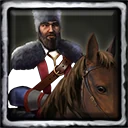 Siberian Cossack
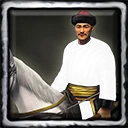 KeshikMarket Rickshaw
 War Elephant
 Old Doug the OrangutanRepentant JaegerRepentant Ronin
Buildings
 Arsenal250
 Artillery Foundry250
 Blockhouse250
 Gate50
 Capitol300
 Church150
 Dock200
 Factory400200
 Field Hospital200
 Fort500600
 House100
 Livestock Pen150
 Market100
 Mill400
 Estate600
 Stable200
 Town Center500
 Trading Post200
 Wall10Wall10Wall10
 Coal Mine—
 Copper Mine—Gold Mine—
 Silver Mine—Diamond Mine—
 Tavern200
 Torp140
 Watch Tower—
Home City cards (175)
Every card of the St. Petersburg Home City, by the first age it can be sent in. "×N" = can be sent N times; ∞ = no limit.
I Discovery Age (33)
 7 Sheep + 1 Homestead Wagon∞
 Advanced Dock×1
 Advanced Estate×1
 Advanced Market×1
 Advanced Mill×1
 Advanced Trading Post×1
 Chests of 300 Coin∞
 Cords of 300 Wood∞
 Crates of 300 Food∞
 Distributivism×1
 Dueling School×1
 Economic Theory×1
 Exotic Hardwoods×1
 Fish Market×1
 Food Silos×1
 Hot Air Balloons×1
 Land Grab×1
 Master Surgeons×1
 Native Lore×1
 Pioneers×1
 Polar Explorer×1
 Ranching×1
 Rum Distillery×1
 Sawmills×1
 Schooners×1
 Stockyards×1
 Stonemasons×1
 TEAM Coastal Defenses×1
 TEAM Cold Water Port×1
 TEAM Furrier×1
 TEAM House of Romanov×1
 TEAM Kamchatka Expeditions×1
 Town Militia×1
II Colonial Age (46)
 1 Caravel∞
 1 Galleon×1
 11 Vasa Allies×1
 13 Streltsy×1
 2 Caravels×1
 4 Cossacks×15 Cossacks×1
 6 Poruchiks×1
 6 Spies×1
 7 Semi-fattened Cows×1
 Admiralty×1
 Advanced Arsenal×1
 Boyars×1
 Cavalry Combat×1
 Chests of 600 Coin×1Chests of 700 Coin×1
 Cigar Roller×1
 Cords of 600 Wood×1Cords of 700 Wood×1
 Crates of 600 Food×1Crates of 700 Food×1
 Dominions×1
 Engineering School×1
 Fencing School×1
 Gulyay-Gorod×1Hire Fortified Wagons×1
 Hire Whaling Crew×1
 Improved Warships×1
 Landed Gentry×1
 Medicine×1
 Native Treaties×1
 New Order Regiments×1
 Recruit Privateers×1
 Reformist Tsar×1
 Rendering Plant×1
 Riding School×1Riding School×1
 Sevastopol×1
 Silversmith×1
 Spice Trade×1
 Sustainable Agriculture×1
 TEAM 2 Surgeons×1
 TEAM Patriarchy×1
 Theaters×1
 Treaty of Mozhaysk×1
 Tula Arms Foundry×1
III Fortress Age (49)
1 Covered Wagon×1 1 Falconet∞
 1 Frigate×110 Spies×111 Poruchiks×1
 13 Rekruts×1
 15 Sheep + 1 Homestead Wagon×117 Nootka Allies×119 Streltsy×1
 2 Falconets×1
 20 Sheep×1
 4 Sámi Allies×1
 5 Cavalry Archers×1
 5 Grenadiers×1
 5 Oprichniks×16 Cossacks×16 Grenadiers×16 Oprichniks×17 Cossacks×1
 7 Phanar Allies×1
 Advanced Artillery×1
 Assassins×1
 Bashkir Rebellion×1
 Blockhouse Cannon×1Cavalry Combat×1Chests of 1,000 Coin×1Cords of 1,000 Wood×1Crates of 1,000 Food×1
 Detinets×1Fort×1
 Grenade Launchers×1Grenade Launchers×1
 Hire British Harquebusiers×1
 Hire Giant Grenadiers×1
 Hire Manchurian Cavalry Archers×1
 Hire Pandours×1
 Hire Scottish Highlanders×1
 Mercenary Loyalty×1
 Native Warriors×1
 Naval Gunners×1
 Polk×1
 Ransack×1
 Refrigeration×1
 Royal Mint×1
 Russian-American Company×1
 Sovnya×1
 Strelet Combat×1
 Suvorov Reforms×1
 Textile Mill×1
IV Industrial Age (47)
 1 Battleship∞
 1 Monitor∞
 12 Oldenburg Allies∞12 Oprichniks×113 Poruchiks×115 Poruchiks×116 Rekruts×12 Falconets∞2 Heavy Cannon×1
 2 Mortars∞24 Streltsy×128 Streltsy×1
 3 Mortars×1
 7 Cavalry Archers∞7 Grenadiers×18 Cavalry Archers×19 Cavalry Archers×19 Cossacks×19 Grenadiers×19 Oprichniks×1
 Advanced Balloon×1
 Advanced Frontier Defenses×1
 Blood Brothers×1
 Castrametation×1Chests of 1,600 Coin×1Cords of 1,000 Wood∞Cords of 1,600 Wood×1Crates of 1,600 Food×1Factory×1
 Georgian Hussars×1
 Heavy Fortifications×1
 Hire Highland Mercenary Army∞
 Hire Holy Roman Army∞Hire Li'l Bombards×1
 Imperator×1
 Improved Buildings×1
 Industrial Revolution×1
 Kalmyks×1
 Milyutin Reforms×1
 Pjotr's Toy Soldiers×1Russian North Fleet×1
 Strelet Horde×1
 TEAM 2 Mortars×1
 TEAM Gunboat Diplomacy×1
 TEAM Time of Troubles×1
 Tsar Cannon×2
 Unicorne Mortars×1
After a revolution: 45 cards of the revolution decks
 1 Fort Wagon10 Pandours12 Crabats
 15 Elk
 16 Revolutionaries
 2 Horse Artillery
 2 Ironclads3 Falconets
 4 Gatling Guns
 4 Prospector Wagons
 6 Grenadiers8 Cavalry Archers
 8 Hakkapelits
 Allotment System
 Armfelt's AutonomyBaltic Fleet
 BlackberriesBlockhouse Cannon
 Border FortressChests of 1,600 Coin
 CitizenshipCrates of 1,600 Food
 Cudgel War
 Danubian Flotilla
 Danubian Principalities
 Finnhorses
 Finnish Taiga
 Grand Duchy of Finland
 Gunboats
 Hajduks
 Honvédség
 Hungarian Grenadiers
 Jaeger Combat
 Kovats' Legion
 Magyar Hussars
 Military Frontier
 Northern WildernessOutlaw Combat
 Roșior DragoonsRussian Expeditionary Army
 Savolax JaegersStrelet Horde
 Suomenlinna
 Turku Academy
 Wallachian Horse Archers